
Mass and volume
Storage, stack, battery and cooling all compete for a budget that was fixed before the power system was chosen. Every kilogram spent on one subsystem is taken from another.
Technology
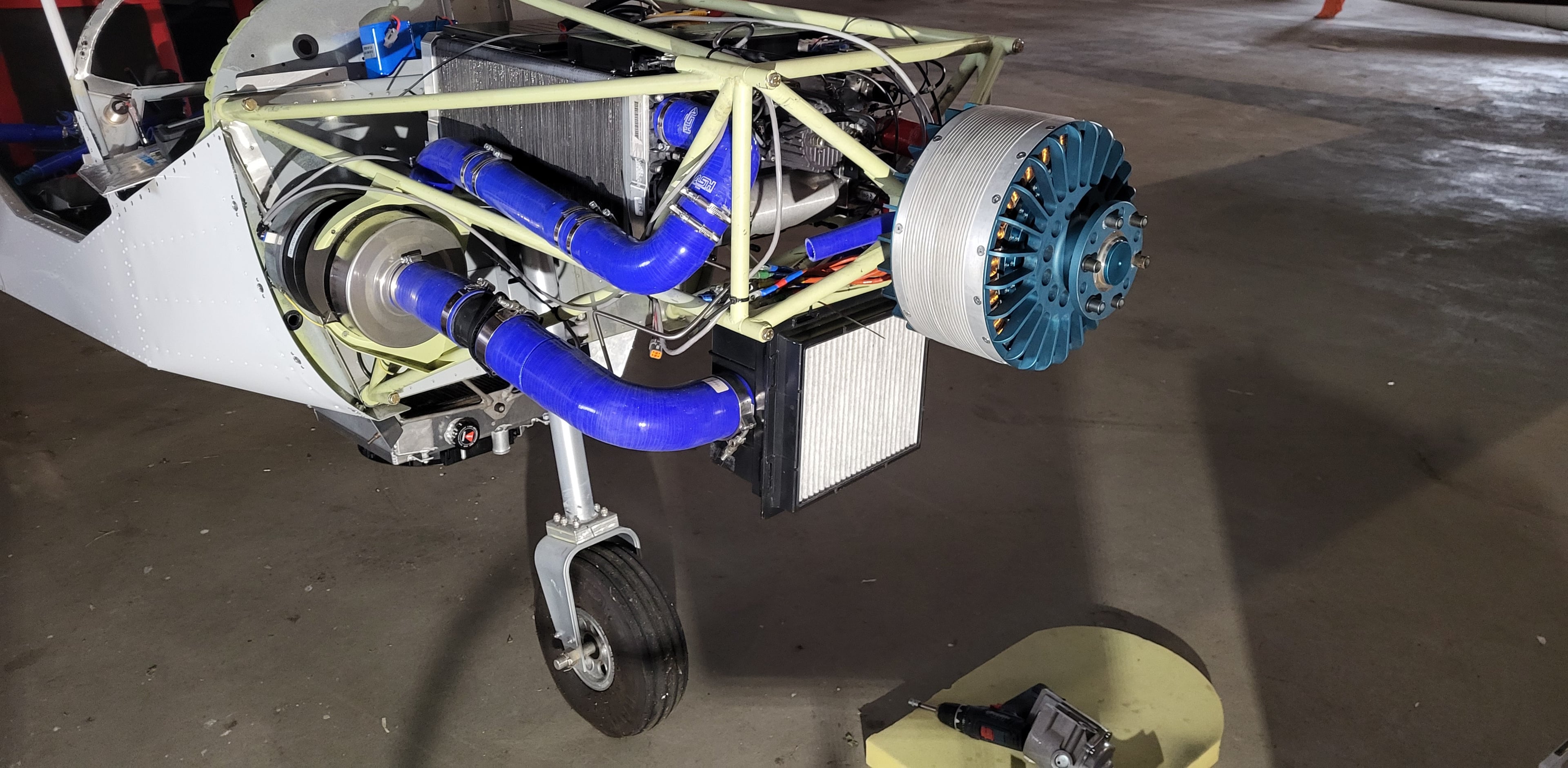
Fuel cells, batteries, inverters and machines can all be bought. What cannot be bought is the way they behave together inside one airframe.
The integration problem
Storage, stack, battery and cooling all compete for a budget that was fixed before the power system was chosen. Every kilogram spent on one subsystem is taken from another.
Heat has to leave the system somewhere, on a platform with little room for a radiator and a duty cycle that does not pause. Thermal design is usually what limits continuous power, not the stack.
A fuel cell and a battery on one bus behave differently under load. Deciding how they share demand, and what happens when one is lost, is a control problem before it is a hardware problem.
Whatever the architecture, it has to be shown to behave correctly when something fails. That evidence is produced on the ground, against requirements written before the build.
Current programme
Our central project brings all five capability areas onto a single platform: a fuel-cell power source with battery support, electric propulsion, the power electronics between them, and the control systems that supervise the whole.
Every constraint above is met in practice on it. Mass and volume are the most visible: the hydrogen has to be stored inside a wing that was already full of structure.
The aviation project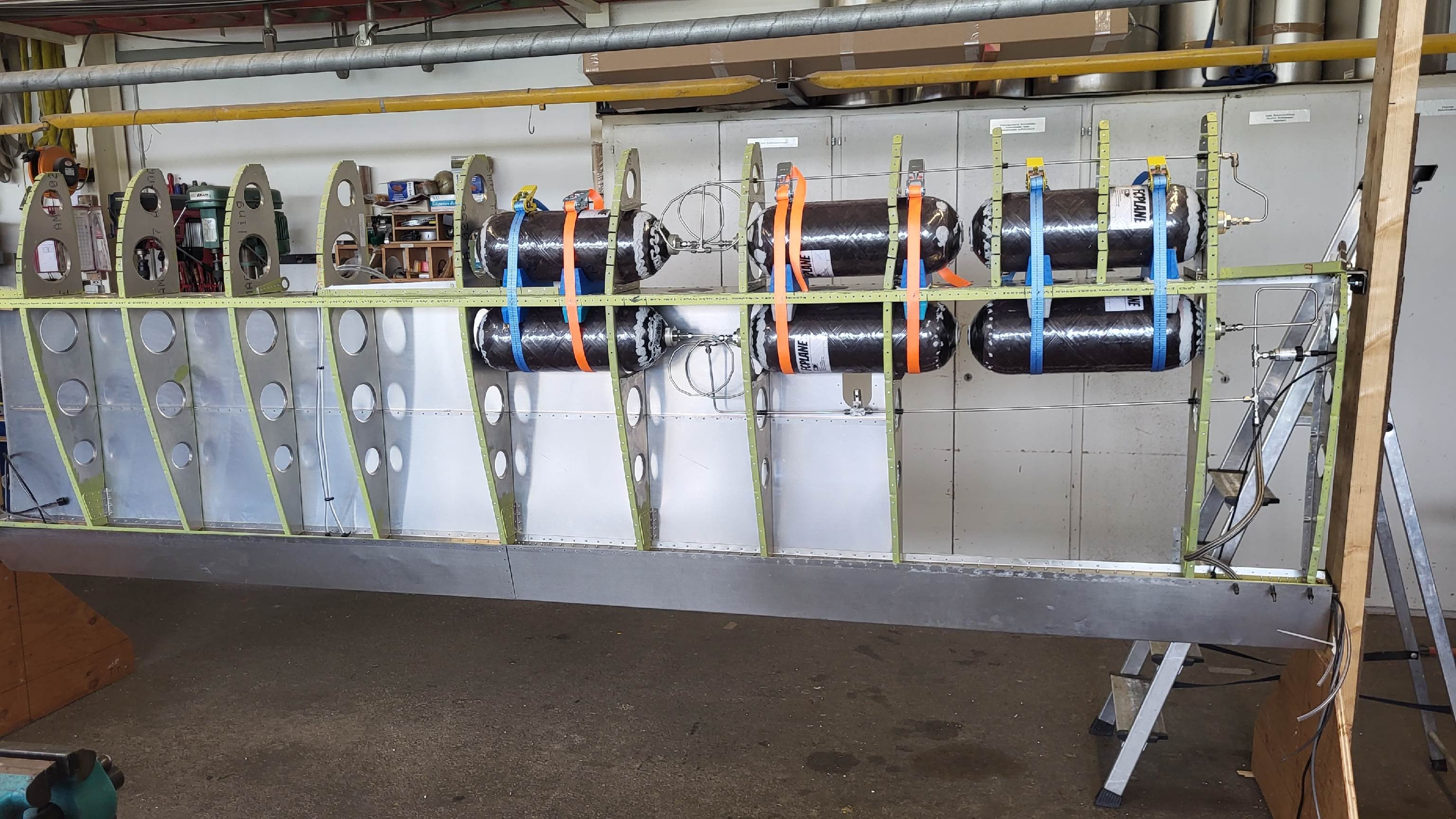
Method
The work follows what Martin Seng calls a grassroots development approach: start at a manageable scale with commercially available technology, integrate it into a complete real system, test it extensively, and improve from what the tests show.
Scope
We work on the power and control system and its interfaces to the platform. We do not design airframes, and we do not certify them. Where a programme needs approvals, we work to the customer’s requirements and to the organisations that hold them.
Saying so plainly is part of the specification. An integration partner who is vague about the boundary tends to be vague about the interface as well.